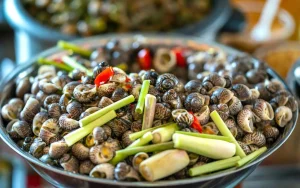
A Taste of the Sea: Exploring Oc, Vietnam’s Snail Delicacy

magiccarouselsundays.com – Oc, or Vietnamese snails, are a beloved culinary delight found throughout Vietnam. Known for their diverse flavors and textures, these sea snails are a popular choice for street food enthusiasts and seafood lovers alike. With a variety of preparation methods and sauces, Oc offers a unique and exciting taste of Vietnamese cuisine.

The Cultural Significance of Oc

In Vietnam, snails have long been a staple in the culinary world, often enjoyed as a communal dish shared among friends and family. Eating Oc is not just about the food; it’s an experience that brings people together in lively snail restaurants or bustling street stalls. This communal aspect highlights the importance of food in Vietnamese culture as a means of fostering social connections.

Varieties of Oc

Vietnam boasts a wide array of snail species, each offering a different taste and texture. Some of the most popular types include Oc Len (mud creeper snails), Oc Huong (sweet snails), and Ốc Móng Tay (razor clams). Each variety has its own distinct characteristics, making it possible to enjoy Oc in numerous ways.

Cooking Methods and Flavors

Cooking Methods

Oc can be prepared using a variety of cooking methods, including steaming, boiling, grilling, and stir-frying. Each method brings out different flavors and textures, allowing for a diverse culinary experience.

Flavors and Sauces

The flavors of Oc are enhanced by the sauces and seasonings used in their preparation. Common ingredients include lemongrass, garlic, chili, and fish sauce, which add depth and complexity to the dishes. Popular sauces include tamarind sauce for a tangy kick and coconut milk for a creamy richness.

How to Enjoy Oc

Eating Oc is a hands-on experience. Diners are usually provided with skewers or toothpicks to extract the snails from their shells. The snails are then dipped into flavorful sauces before being savored. This interactive eating process adds to the enjoyment and makes dining on Oc a memorable adventure.

Nutritional Benefits

Oc are not only delicious but also nutritious. They are a good source of protein, low in fat, and rich in essential minerals such as iron and calcium. This makes them a healthy addition to the diet for those looking to enjoy seafood with nutritional benefits.

Conclusion

Oc, or Vietnamese snails, offer a unique and flavorful glimpse into the vibrant world of Vietnamese cuisine. Their diverse preparation methods and communal dining experience make them a must-try for anyone visiting Vietnam. Whether enjoyed as a street food snack or a part of a larger seafood feast, Oc are sure to leave a lasting impression with their delightful taste and cultural significance.

The Timor Sea: History, Resources, and Diplomacy

magiccarouselsundays.com – The Timor Sea, a body of water located between Australia and Southeast Asia, is a region of significant historical, economic, and geopolitical importance. Spanning an area of approximately 675,000 square kilometers, the Timor Sea is bordered by Indonesia to the north and Australia to the south. This article explores the historical significance, natural resources, and diplomatic challenges associated with the Timor Sea.

Historical Significance

The Timor Sea has been a maritime crossroads for centuries, with its strategic location facilitating trade and cultural exchanges between Asia and Australia. Historically, the sea has been an important route for mariners, traders, and explorers, contributing to the rich tapestry of regional history.

Colonial Era

During the colonial era, the Timor Sea was a site of competition and conflict among European powers, particularly between the Portuguese and the Dutch. The sea’s strategic importance was recognized early on, and it played a role in the colonial expansion and trade networks of the time.

World War II

The Timor Sea was also a significant theater during World War II. The Battle of Timor, fought between Allied forces and the Japanese, underscored the sea’s strategic value in the broader Pacific conflict.

Natural Resources

The Timor Sea is rich in natural resources, particularly oil and natural gas. The discovery of significant hydrocarbon reserves in the late 20th century transformed the region into a focal point for energy exploration and production.

Major Projects

Several major projects, such as the Bayu-Undan gas field and the Greater Sunrise oil and gas fields, have been developed in the Timor Sea. These projects have been crucial for the economic development of the bordering countries, particularly Timor-Leste, which relies heavily on oil and gas revenues.

Diplomatic Challenges

The exploitation of the Timor Sea’s resources has not been without controversy. The delimitation of maritime boundaries between Australia and Timor-Leste has been a contentious issue, with disputes over the division of resources and territorial waters.

The Timor Sea Treaty

The Timor Sea Treaty, signed in 2002, was a landmark agreement that established a framework for the joint development of oil and gas resources in a designated area of the Timor Sea. However, disputes over the Greater Sunrise field and other areas have continued to strain relations between Australia and Timor-Leste.

International Arbitration

In 2014, Timor-Leste took Australia to the International Court of Justice (ICJ) over spying allegations related to negotiations on the Greater Sunrise field. The case highlighted the complex diplomatic challenges associated with resource exploitation in the Timor Sea.

Conclusion

The Timor Sea is a region of immense historical, economic, and geopolitical significance. Its rich natural resources have the potential to drive economic development and regional cooperation, but they also pose significant diplomatic challenges. As Australia and Timor-Leste continue to navigate the complexities of maritime boundary delimitation and resource sharing, the Timor Sea remains a critical area for international attention and engagement.